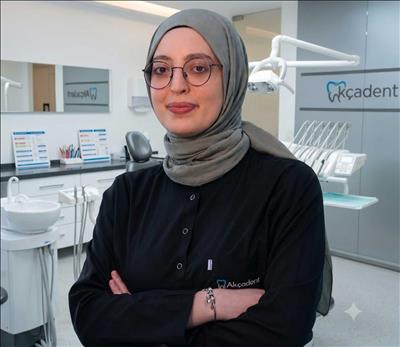



Hormonal fluctuations, morning sickness, and shifts in dietary habits during pregnancy can significantly heighten gum sensitivity and increase the risk of tooth decay. When expectant mothers experience severe toothache or bleeding gums, their primary concern is almost always the same: "Will getting dental treatment while pregnant harm my baby, and which procedures are safe in each month?" With proper timing and pregnancy-specific clinical protocols, dental care can be carried out safely to protect both maternal and fetal health[cite: 3].
Is Dental Treatment Safe During Pregnancy?
Yes, dental treatment during pregnancy is entirely safe when performed during the appropriate trimester, with obstetric clearance, and using pregnancy-approved local anesthetics. In fact, leaving acute dental infections untreated or enduring severe pain-induced stress hormones poses a far greater risk to both mother and baby than a controlled dental procedure.
The primary biological changes affecting oral health during pregnancy include:
- Pregnancy Gingivitis: Elevated estrogen and progesterone levels amplify the gums' inflammatory response to bacterial plaque, leading to swelling and easy bleeding[cite: 7].
- Acid Erosion and Cavity Risk: Frequent nausea and vomiting—especially during the early months—expose tooth enamel to stomach acid, while frequent snacking further accelerates decay.
- Risks of Untreated Infections: Advanced dental abscesses and untreated periodontal disease trigger systemic inflammation, which clinical research links to an increased risk of preterm birth or low birth weight.
Which Procedures Are Done in Each Month? Trimester Guide
Dental treatment planning during pregnancy is divided into three-month stages (trimesters), with the second trimester (months 4, 5, and 6) widely recognized as the safest and most comfortable window for routine dental procedures. The clinical boundaries for each trimester are outlined below:
| Pregnancy Stage | Safe Procedures | Recommended to Postpone | Clinical Approach |
|---|---|---|---|
| 1st Trimester (Months 1 – 3) | Dental exams, oral hygiene instruction, urgent pain and infection relief only | Routine fillings, tartar removal, cosmetic treatments, and surgical extractions | Because fetal organ development (organogenesis) is underway, only emergencies are treated |
| 2nd Trimester (Months 4 – 6) | Professional scaling, composite fillings, root canal therapy, necessary extractions | Dental implant surgery, teeth whitening, and non-urgent cosmetic prosthetics | The safest, most comfortable, and ideal window for maternal and fetal care |
| 3rd Trimester (Months 7 – 9) | Brief urgent pain-relieving interventions and temporary restorations | Lengthy chair sessions, surgical extractions, and extensive restorations | Sessions are kept brief due to positional discomfort from uterine pressure and preterm labor precautions |
X-Rays, Anesthesia, and Medication Safety During Pregnancy
The main reasons expectant mothers hesitate to visit the dentist are concerns over X-ray radiation and local anesthetic agents reaching the baby. As the dental team at Akçadent Oral and Dental Health Polyclinic, we coordinate directly with your obstetrician for every pregnant patient, utilizing only pregnancy-safe (FDA Category B) local anesthetics and strict protective protocols[cite: 3].
Our Core Clinical Safety Standards Include:
- Local Anesthesia Safety: Pregnancy-approved local anesthetics—either epinephrine-free or containing safe low-dose vasoconstrictors—do not cross the placenta at harmful levels and ensure completely pain-free treatment.
- Digital X-Rays and Lead Aprons: Routine radiographs are postponed until after delivery; however, when strictly necessary for root canals or abscesses, ultra-low-dose digital sensors are used while shielding the mother with a thyroid-collared lead apron.
- Antibiotic and Pain Reliever Selection: Medications known to affect fetal tooth development, such as tetracyclines, are strictly avoided; when needed, only obstetrician-approved penicillin derivatives and acetaminophen (paracetamol) analgesics are prescribed.
Dentist Note: Brushing your teeth immediately after vomiting due to morning sickness is one of the most common mistakes expectant mothers make. Stomach acid temporarily softens tooth enamel, and immediate brushing accelerates enamel wear. Instead, rinse your mouth right away with plain water or a solution of half a teaspoon of baking soda dissolved in a glass of water, then wait at least 30 minutes before brushing gently with a soft-bristled toothbrush.
Frequently Asked Questions
Can root canal therapy or tooth extractions be performed during pregnancy?
Yes. When a tooth causes severe pain or acute infection, root canal therapy and necessary extractions can be safely performed under pregnancy-safe local anesthesia—most ideally during the second trimester between months 4 and 6.
Does professional teeth cleaning (scaling) harm the baby?
No, it does not harm the baby; on the contrary, having a professional scaling during the second trimester is strongly recommended to control hormone-driven gum inflammation (pregnancy gingivitis)[cite: 7].
What should women planning a pregnancy do beforehand?
Women planning to conceive should undergo a comprehensive dental check-up prior to pregnancy to treat hidden cavities and resolve potential infection sources—such as impacted wisdom teeth—before becoming pregnant.